

Geopolitics has moved from the background to the forefront of global market analysis. In 2026, economic forecasts are no longer driven solely by inflation, earnings, or interest rates. Trade fragmentation, regional conflicts, sanctions, and strategic competition between major powers are directly influencing capital flows, commodity prices, and corporate strategy.
For investors and policymakers, geopolitical risk is now a structural variable — not a temporary disruption.
Trade Fragmentation and Supply Chain Realignment
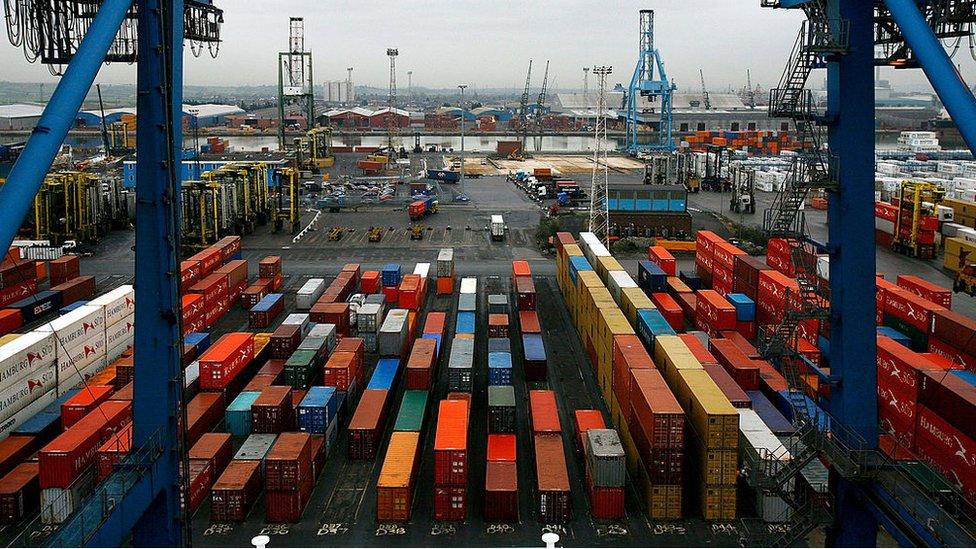
Globalization is evolving into regionalization. Trade corridors are shifting as countries reassess supply chain vulnerabilities exposed over the past decade. Strategic industries such as semiconductors, energy infrastructure, rare earth materials, and defense technology are increasingly subject to national security considerations.
Reshoring and “friend-shoring” strategies are gaining momentum. Governments are offering incentives to relocate manufacturing capacity closer to domestic markets or politically aligned partners. While this strengthens supply resilience, it also increases production costs and contributes to structural inflation pressures.
As a result, multinational corporations are redesigning logistics networks, diversifying suppliers, and building redundancy into global operations. These adjustments carry long-term economic implications and influence profit margins across sectors.
Energy Security and Commodity Volatility
Energy remains one of the most geopolitically sensitive components of the global economy. Oil and natural gas prices continue to react sharply to regional instability, production decisions, and sanctions regimes.
Strategic petroleum reserves, pipeline routes, and maritime trade chokepoints are increasingly factored into market forecasts. At the same time, the global push toward renewable energy introduces new geopolitical dimensions tied to lithium, copper, and critical mineral supply chains.
Commodity-producing nations experience amplified currency movements during periods of geopolitical stress. Energy-importing economies face inflationary risks when supply disruptions occur. This dynamic reinforces the connection between geopolitics and macroeconomic stability.
Sanctions, Capital Controls, and Financial System Shifts
Sanctions have become a primary policy instrument in international disputes. Financial markets now price in regulatory risk alongside economic fundamentals.
Restrictions on trade, technology transfer, and cross-border payments influence corporate revenues and investment decisions. In response, some economies are strengthening alternative financial infrastructure to reduce reliance on traditional settlement systems.
While the global financial system remains interconnected, incremental diversification away from dominant reserve structures is gradually reshaping long-term capital allocation patterns.
Defense Spending and Industrial Policy
Heightened geopolitical uncertainty has triggered increased defense spending in multiple regions. Government budgets are reallocating resources toward cybersecurity, aerospace, military modernization, and strategic infrastructure.
Industrial policy is expanding beyond defense. Semiconductor manufacturing, artificial intelligence, energy transition projects, and advanced manufacturing are receiving public investment support.
This shift creates opportunities in industrial, defense, and infrastructure sectors while raising fiscal sustainability questions for heavily indebted economies.
Market Implications and Investment Strategy
Geopolitical developments amplify volatility across asset classes. Equity markets respond quickly to unexpected escalations or diplomatic breakthroughs. Commodity markets often act as immediate transmission channels for geopolitical shocks.
Investors increasingly integrate geopolitical scenario analysis into portfolio construction. Diversification across regions, asset classes, and currencies has become more important as correlation patterns evolve during periods of stress.
Long-term investors focus on structural beneficiaries of geopolitical realignment, including energy infrastructure, critical materials, cybersecurity, and domestic manufacturing capacity.
Looking Forward: A More Fragmented World Economy
The global economic system is not collapsing, but it is fragmenting. Strategic competition among major economies is redefining trade alliances, technological ecosystems, and financial relationships.
Forecast models now incorporate geopolitical variables alongside traditional macroeconomic indicators. The ability to assess political risk, regulatory shifts, and global power dynamics is becoming a core component of financial analysis.
In 2026, geopolitics is no longer an external shock to markets — it is a continuous force shaping economic outcomes. Investors who understand this structural transition are better positioned to manage volatility and identify emerging opportunities in a multipolar world.